How to Use a Sauna and Cold Plunge Circuit at a Spa in NYC
Heat, then cold, then warm water, then do it again.
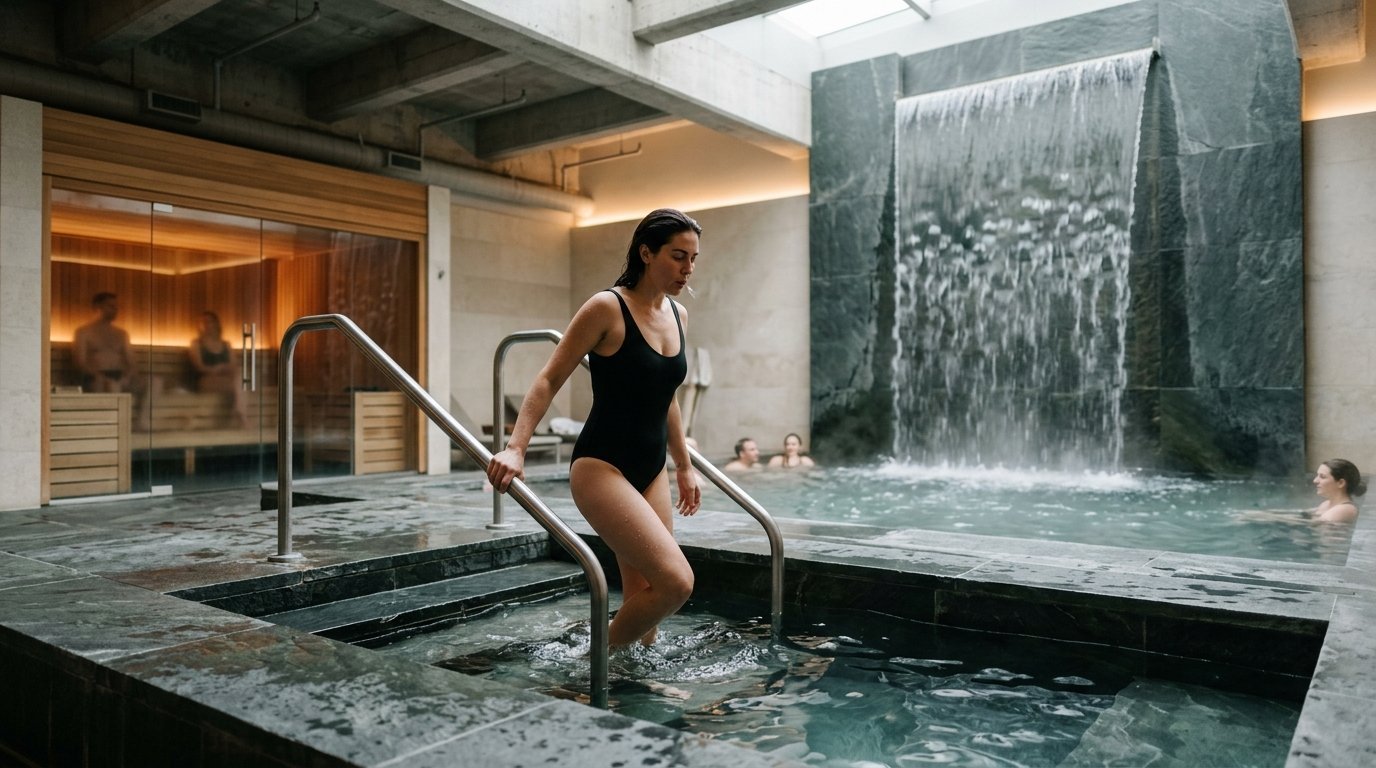
That is the whole idea behind a thermal circuit, and it sounds too simple to need instructions until you are standing in a robe beside a cold plunge wondering how long you are supposed to stay in the steam first. This guide covers the order and timing of each stage, plus the house rules that catch first-time visitors off guard. Most of the specifics come from the way one spa NYC regulars know for its three-story indoor waterfall sets up its Water Lounge (www.gjspa.com), and the rest is general guidance on heat and cold that applies at almost any bathhouse in the city.
By the end you should be able to walk into a Manhattan spa, pick the right order, and leave feeling better than when you arrived rather than lightheaded.
How the circuit works
A thermal circuit moves the body between hot and cold on purpose. Heat opens blood vessels near the skin and raises your core temperature, cold narrows those vessels quickly, and warm water in between lets the body settle before the next round. People often call it contrast therapy.
The order that most bathhouses follow
The NoHo spa’s own description of its circuit is a good template. It starts in the eucalyptus steam room or the river rock sauna, moves to a brisk cold plunge, and finishes with a soak in the hot tub. Guests can repeat the cycle as many times as they like during their visit.
The order counts because it puts the cold right after the body is fully warmed, which is when the contrast is strongest. Starting with cold, or ending on a long hot soak with no cool-down, blunts the effect. The spa describes its heat-to-cold ritual as a way to help recovery and circulation, and the sequence is what does that work, not any single room on its own.
Steam room or sauna first
Both rooms do the same job, which is heating you up, but they feel very different. A dry sauna runs hotter with low humidity, so sweat evaporates and the heat feels sharp. A steam room runs cooler on the thermometer, but the air is saturated, so it can feel heavier and harder to breathe for some people. If you are new to this, the steam room is often the easier entry point. Eucalyptus steam in particular tends to feel clearing rather than stifling.
How long each stage should last
Time is where first-timers go wrong most often. The urge is to stay in the heat as long as possible and to leap out of the cold immediately, and both instincts need adjusting. There are no clocks on the wall in most bathhouses either, so it helps to count breaths or check the time on the way in.
In the heat
For most healthy adults, around 10 to 15 minutes in a sauna or steam room is plenty for one round. Beginners can start shorter. Leave sooner if you feel dizzy, nauseated, or unusually tired, since those are signals to cool down, not to push through. Sit on a lower bench if the upper one feels too intense. Heat rises, and the top bench can be many degrees hotter than the floor.
In the cold
The cold plunge is shorter, so start with 30 seconds to a minute and work up over several visits if you like it. Lower yourself in steadily, keep your breathing slow, and get out when your breathing calms rather than when you feel brave. Many people find the first plunge harder than the second. Once the body knows what is coming, the shock eases.
In the warm water
The hot tub stage is for settling. A few minutes is enough before heading back to the steam or sauna, and it is a good point to drink water. Repeating the full circuit two or three times is common, though there is no reason to force extra rounds.
What to bring and what to expect
The practical details are where a visit goes smoothly or turns awkward, and each spa sets its own rules.
What to wear
Swimsuits are required in the Water Lounge at the NoHo spa, and robes, towels, and slippers are provided. If you forget a suit, its FAQ says you can use the steam room or sauna in your robe, and disposable swimsuits are available at the front desk or in the locker room.
The same spa asks guests to shower before entering the pools and to limit towel use to two per person. Glass items, including glass water bottles, are not allowed in the lounge, and water is available throughout. Leave jewelry in the locker as well, since metal heats up fast in a sauna and can sting against the skin.
Phones and photos
Bathhouses in Manhattan tend to be strict about calm. The spa’s etiquette page asks guests to keep phones silenced and out of sight, bans photography entirely, and asks people to use a soft voice in shared areas. Many first-time visitors are surprised by that, especially those arriving with friends.
Timing it around a treatment
Arriving early is part of the plan. The spa recommends arriving between 15 minutes and two hours before a scheduled treatment so there is time to use the Water Lounge first. It also suggests doing the circuit before a facial, since it can help products absorb afterward. For a massage, the order is up to you. Some people prefer the heat first to loosen up, and others save it for after.
Getting access
Access rules vary by spa. At the NoHo spa, booking a service at or above a set price includes two hours of Water Lounge access, and day passes can be purchased separately online. Passes are limited during busy periods, so it is worth reserving ahead.
Who should skip parts of it
Heat and cold both put real demands on the body, and not everyone should do the full circuit.
Pregnancy and medical conditions
In line with New York City Department of Health guidelines, the NoHo spa does not allow pregnant guests to use the hot tub, cold plunge, sauna, or steam room, though they can still book treatments and use the lounge areas. Anyone with heart disease, blood pressure problems, or other conditions affected by temperature swings should ask a doctor before trying contrast therapy.
Alcohol and dehydration
Alcohol and heat are a poor mix. Drinking before a circuit makes dizziness and dehydration more likely, and it dulls the warning signs that tell you to get out. Steady sips of water all the way through are the better plan.
A quick recap
A thermal circuit is simple once you know the order. Heat first in the steam room or sauna for roughly 10 to 15 minutes, then a short cold plunge, then a few minutes in the hot tub, repeated as many times as feels good.
The short version to remember
Bring a swimsuit, drink water, arrive early enough to use the circuit before any treatment, and leave the phone in the locker. Stay in the heat until you are warm through, stay in the cold until your breathing settles, and get out of either one the moment you feel unwell.